Interior and Exterior painting in Chicago | Goodman Painters & Decorators Chicago

Chicago Painting Services

Exterior Painting in Chicago, IL

Exterior finishes that survive Chicago winters, with the preparation and sealing that decide how long the paint actually lasts.

Overview

What this service covers

Chicago is hard on exteriors. Freeze-thaw cycles, lake wind and summer sun break down a coating fast when the surface underneath was never prepared. We scrape and sand back failing paint, treat bare timber, replace failed caulk and prime before topcoating.

We paint siding, trim, soffits, fascia, porches, railings and garage doors, and we schedule around the weather window rather than pushing a coat on in the wrong conditions. Every job is protected at ground level and cleaned down daily.

Who it is for

Single family homes

Two-flats and apartment buildings

Condo associations and HOAs

Porches, decks and railings

Garages and outbuildings

What's Included

Exterior Painting includes

Pressure washing and surface clean

Scraping and sanding failed coatings

Timber repair and treatment

Re-caulking joints and gaps

Full exterior priming

Siding, trim, soffit and fascia

Weather-resistant topcoats

Site protection and clean-up

Why Coatings Fail

Exterior paint does not fail. The surface under it does.

Almost every exterior repaint we are called to has failed for one of four reasons, and none of them is the quality of the paint. Understanding which one applies to your property is what decides the preparation, and the preparation is what decides how long the next coat lasts.

Moisture behind the film. Water getting in from a failed gutter, an open joint or rising damp will push a coating off from underneath. It shows as blistering or sheets lifting cleanly away with bare substrate behind. Repainting without finding the water source guarantees the same failure, usually within a season or two.

Ultraviolet breakdown. South and west elevations take far more sun than the other two and degrade faster. It shows as chalking, a powdery residue that comes off on your hand, and colour that has gone flat. A new coat applied straight over chalk has nothing sound to grip.

Movement at joints. Timber expands and contracts with the seasons, so joints and end grain open. Once water sits in an open joint the surrounding paint goes first. And painting over failing paint – the fourth cause – simply transfers the problem to the new coat, because the new film can only be as sound as what it is stuck to.

What the symptom tells us

Blistering or sheet lifting — Water behind the film. Find the source first.

Chalky powder on your hand — UV breakdown. Needs washing back to a sound surface.

Cracking along joints — Movement. Joints reopened, made good, then sealed.

Flaking over old paint — The previous coat was applied over an unsound one.

Dark staining, green film — Biological growth. Treated before anything else.

Preparation

What preparing an exterior actually involves

Preparation is most of an exterior job and almost all of its lifespan. These are the stages that decide whether the coating lasts eight years or two.

Washing back

Every elevation is washed before anything else, to take off chalking, dirt, pollen and biological growth. Where there is green or black film we treat it rather than just rinsing it, because growth left in place will come back through a new coat.

Scraping and feathering

Loose and flaking coating is scraped back to a sound edge. That edge is then feather-sanded, because a hard step between old and new paint telegraphs through the finish and gives water a lip to sit against.

Knowing where to stop

Not every exterior needs taking back to bare substrate, and doing so on a sound wall wastes money. We scrape until the surrounding coating no longer lifts, and the honest answer for how far that goes is only known once we start.

Repair before coating

Rotten or failed timber is cut out and replaced or treated rather than filled and painted over. Filler holds paint but it does not hold a structure, and a repair that is only cosmetic reappears in the same place.

Sealing joints selectively

Open joints where water can enter are caulked. Joints that let a wall dry out are not. Sealing an exterior up completely is a common and expensive mistake, because trapped moisture has to escape somewhere and it usually leaves through the paint.

Spot and full priming

Every bare patch is primed before topcoat. Bare timber, exposed metal and repaired areas each need the right primer rather than a general one, and heavily weathered elevations are often better fully primed than spot primed. Which of the two a given elevation needs is a judgement made on site rather than from the street — what gets checked at the visit covers the rest of it.

Materials

Painting different exterior materials

What goes on the wall depends on what the wall is made of. The same product applied across every surface on a property is the most common reason one elevation fails years before the others.

Timber siding and trim

Moves with the seasons, so it needs a coating with enough flexibility to move with it. End grain drinks water and is where most rot starts, so it gets sealed properly rather than given the same single pass as the face.

Brick and masonry

Masonry needs to breathe. A film-forming paint that seals it can trap moisture inside the wall, and in a freeze-thaw climate that trapped water does real damage to the masonry itself. Where masonry is painted we use a coating that lets vapour out, and where brick is sound we will usually advise leaving it unpainted.

Stucco and render

Hairline cracking is normal; structural cracking is not, and the two need different answers. Render is porous and takes considerably more material than a smooth surface, which is worth knowing before comparing quotes.

Metal railings and ironwork

Rust has to be taken back and treated, not painted over. Any rust left under a new coat continues to spread underneath it and lifts the paint from below, which is why ironwork often fails first on an otherwise sound property.

Fibre cement and composite

Usually factory-finished and generally stable, so preparation is lighter, but adhesion depends on the existing coating being clean and sound. It is worth confirming what the board actually is before specifying, because the products differ.

Gutters, soffits and fascia

The highest-exposure, least-inspected parts of a property. They are also where a water problem starts that later shows up as failed paint several feet lower down, so we look at them as part of quoting rather than after.

Conditions

Temperature, moisture and when exterior paint can go on

Exterior coatings cure rather than simply dry, and cure is governed by conditions. Applying a good product in the wrong conditions produces a worse result than an average product in the right ones.

Surface temperature, not air temperature

Products specify a minimum surface temperature, and a shaded north elevation can sit several degrees below the air on the same afternoon. We check the surface rather than the forecast, which sometimes means moving to a different elevation for a few hours.

Dew point and evening work

As the temperature drops toward evening, moisture condenses on cooling surfaces. Coating applied too late in the day can take that moisture into the film and cure badly, so we stop with enough of the day left rather than finishing an elevation for the sake of it.

Direct sun on dark colours

A dark elevation in full afternoon sun can get hot enough to flash the coating off before it levels, leaving lap marks and poor adhesion. On hot days we follow the shade around the property rather than working in sequence.

Rain before it has cured

Touch-dry is not cured. Rain within the first few hours can wash out or spot a fresh coat, so we watch the forecast against the product cure time and would rather lose an afternoon than redo an elevation.

Our Process

How the work runs

01

Consultation

We visit the property, discuss the finish you want and give you a clear written estimate.

02

Preparation

Furniture protected, surfaces repaired, sanded and primed. Preparation is most of the job.

03

Professional Work

Our team completes the work to schedule, keeping the site tidy at the end of every day.

04

Final Inspection

We walk the finished work with you and correct anything before we call it done.

Related Services

Often booked together

Most projects touch more than one trade. We can handle the related work at the same time.

Residential Painting

Complete interior and exterior packages.

Commercial Painting

Multi-family and commercial exteriors.

Handyman Services

Repairs before painting begins.

Recent Work

Projects like yours

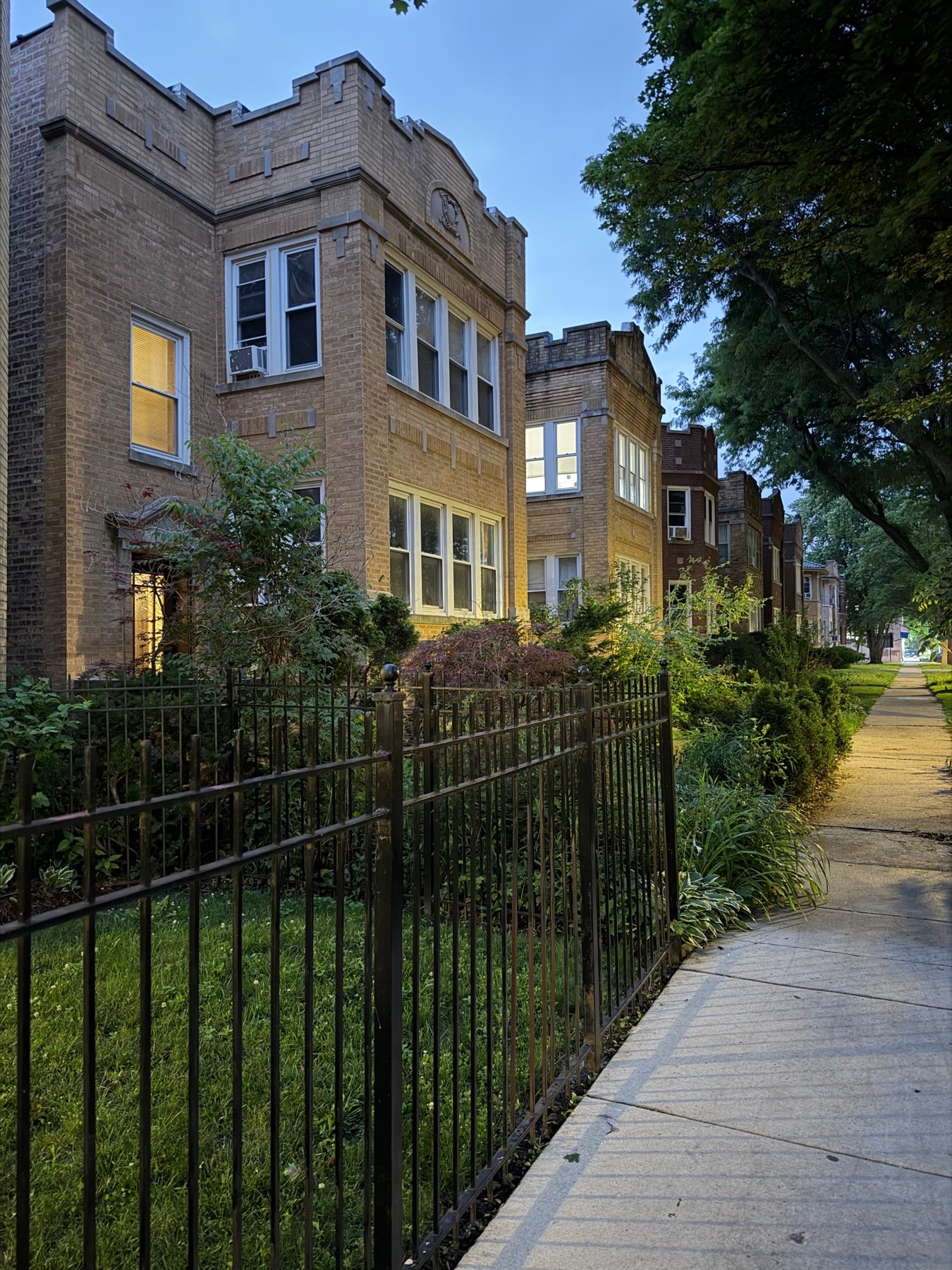
Apartment Exterior by Goodman Painters and Decorators in Chicago

Apartment Exterior

Chicago, IL

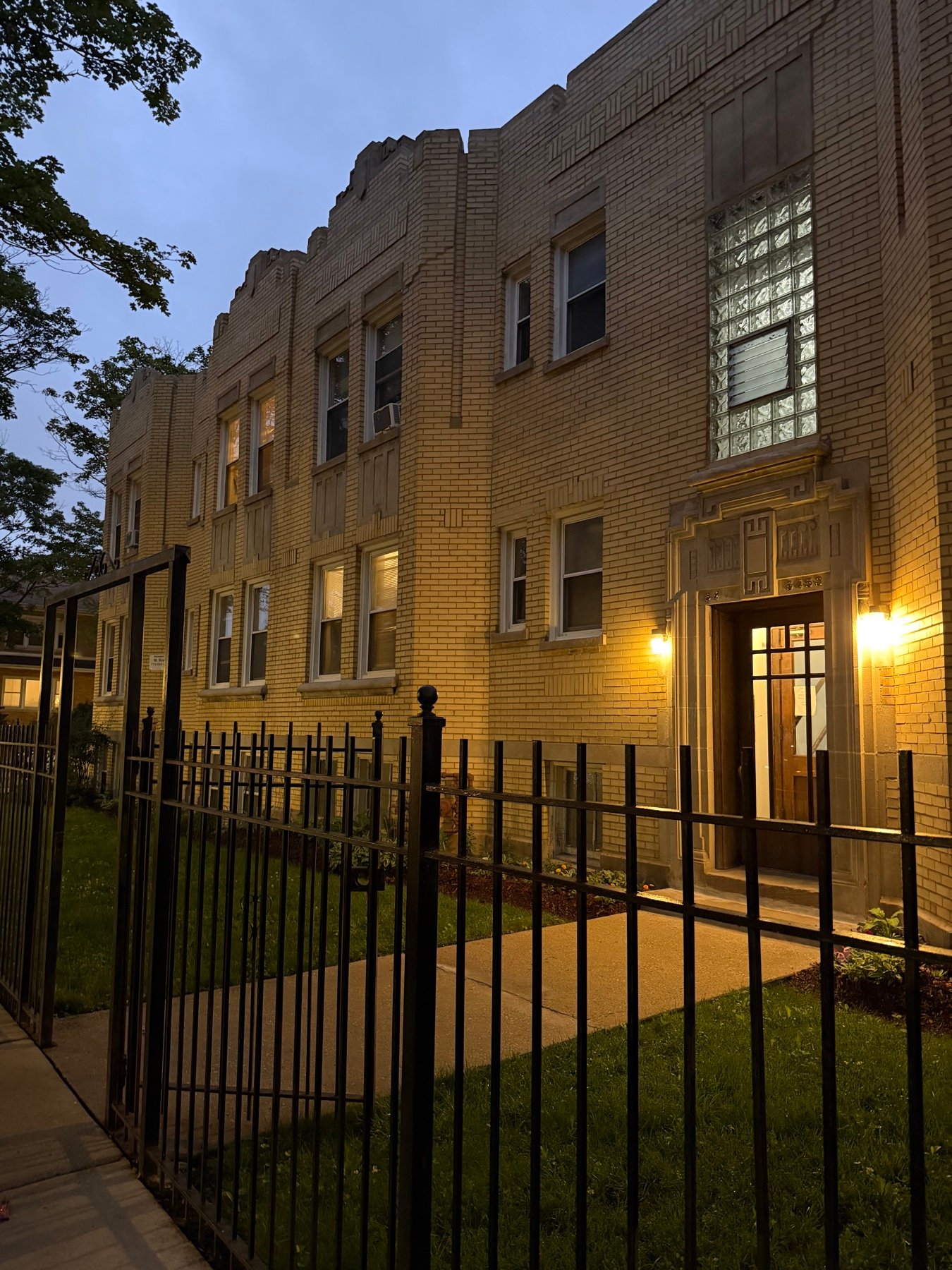
Apartment Exterior by Goodman Painters and Decorators in Chicago

Apartment Exterior

Chicago, IL

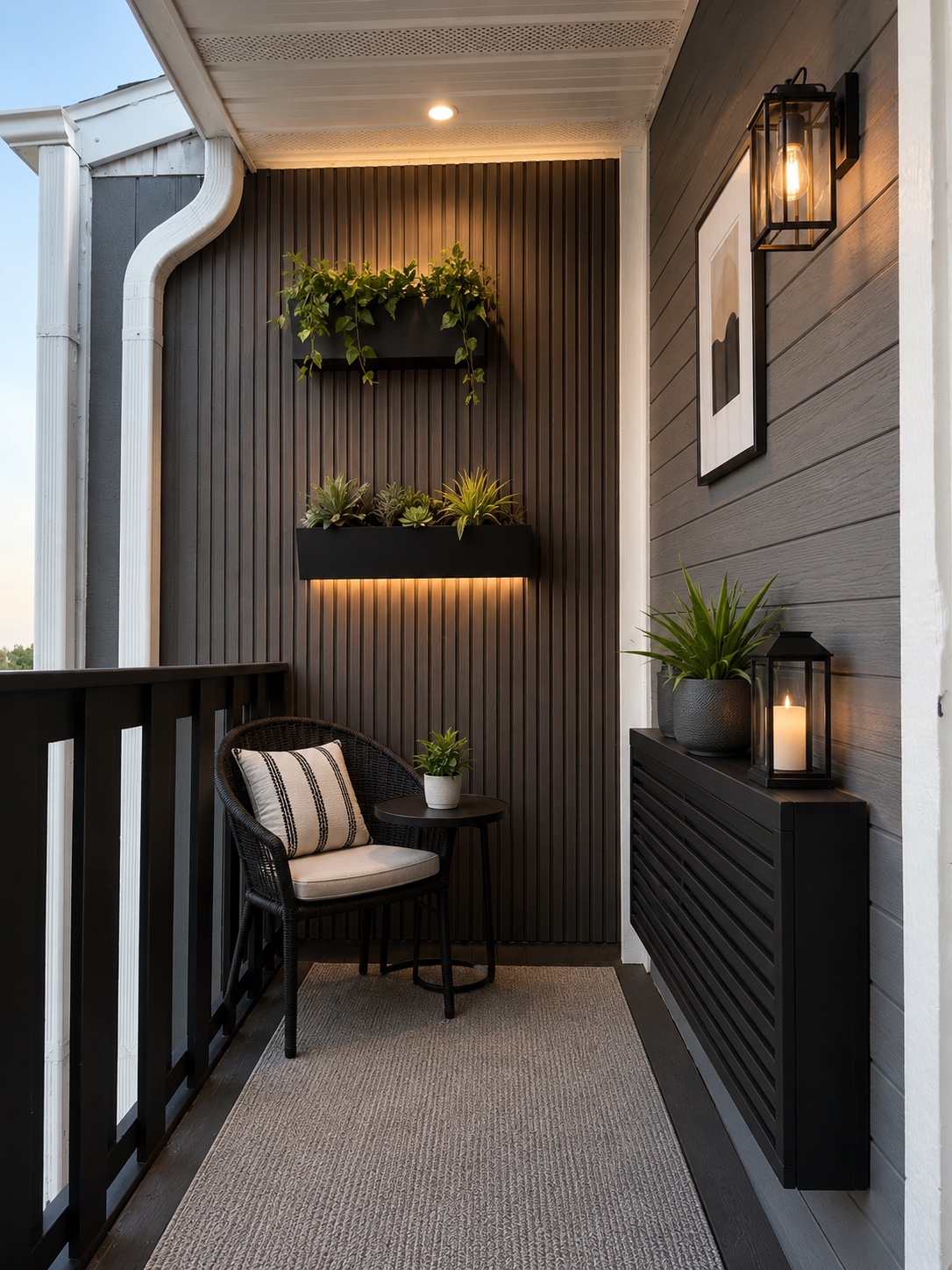
Balcony Repaint by Goodman Painters and Decorators in Chicago

Balcony Repaint

Siding, soffit and railings

Service Areas

Exterior Painting across Chicagoland

We cover Chicago and the surrounding suburbs. Choose your area to see local details.

FAQ

Common questions

Still unsure? Call (872) 235-7481 and we will talk it through.

Late spring through early autumn. We need dry surfaces and overnight temperatures that stay above the product minimum, so we plan around the forecast rather than a fixed date.
On properly prepared timber, typically eight to twelve years. Preparation and the number of coats matter far more than the brand on the tin.
Yes. We replace or treat rotten and failed timber, re-caulk open joints and make good before priming. Anything structural we flag before starting.
Yes. We work on multi-unit and apartment exteriors regularly and can stage the work to limit disruption for tenants.
Usually moisture rather than paint quality. Water entering from a failed gutter, an open joint or damp in the wall pushes the coating off from underneath, which is why it lifts in sheets with bare surface behind. Repainting without finding where the water is getting in produces the same failure again, normally within a season or two.
No, and on a sound wall it would be a waste of money. We scrape until the surrounding coating no longer lifts, then feather the edge so there is no hard step under the new finish. How far that goes is only genuinely known once we start, which is why we flag it at the walkthrough rather than after.
Yes. Masonry needs to let vapour out, so a film-forming paint that seals it can trap moisture in the wall — and in a freeze-thaw climate that trapped water damages the masonry itself. Where masonry is painted we use a breathable coating, and where brick is sound we will usually recommend leaving it unpainted.
It depends how long after. Touch-dry is not cured, and rain within the first few hours can spot or wash out a fresh coat. We plan application against the product cure time rather than the forecast alone, and we would rather stop early than have to redo an elevation.

Get your free exterior painting estimate

Tell us about your project and we will send a clear, itemised estimate. No obligation.

What should I look for in exterior painters near me?

Ask how the contractor will find moisture problems, remove failed coatings, repair damaged surfaces, prime bare areas, and schedule work around temperature and rain. Among exterior painting contractors in Chicago, Goodman builds the estimate around the preparation and weather window that determine how long the finish will last.

Scroll to Top